

five tips for better Architectural Photo Shoots
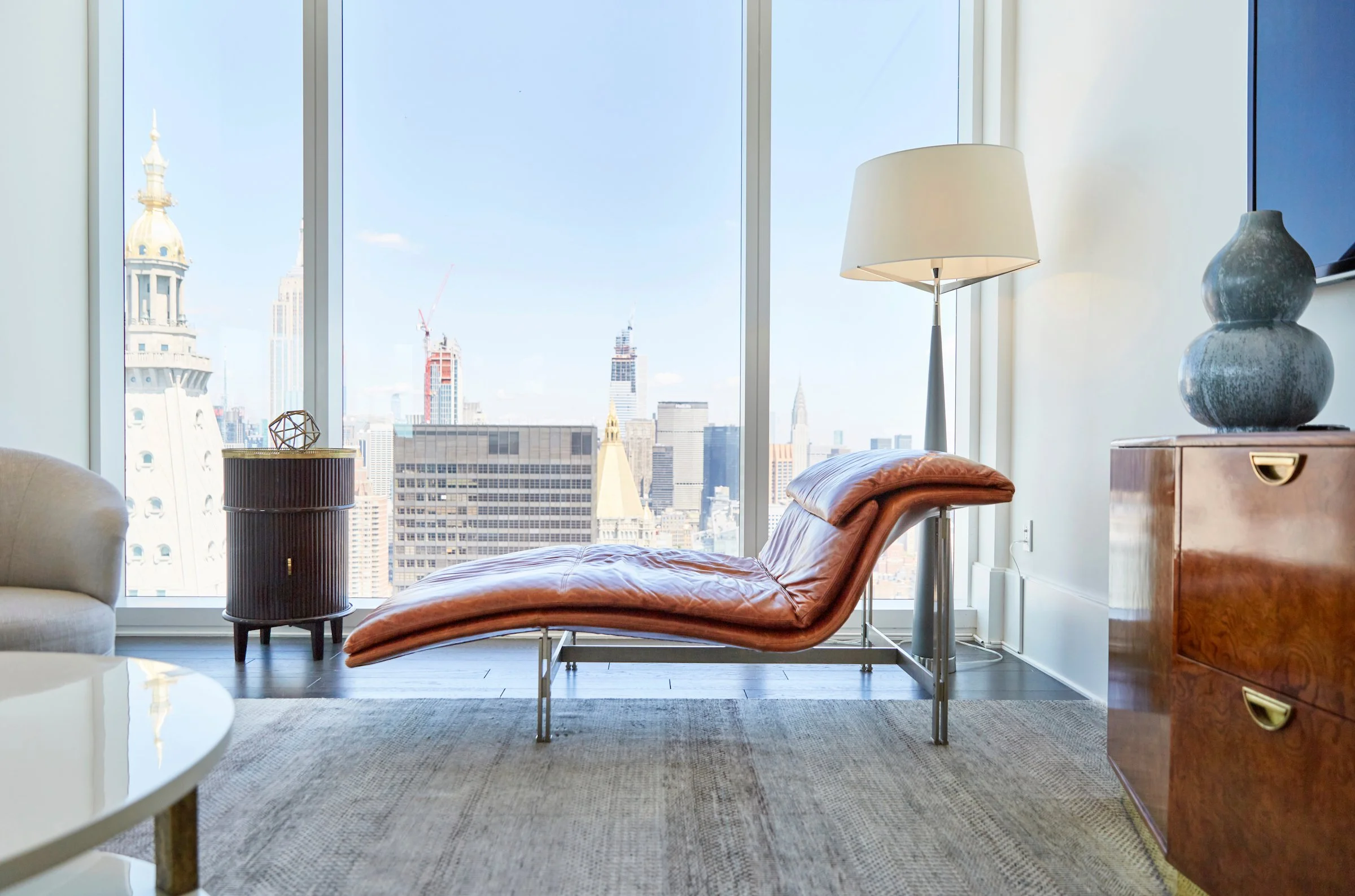
All professions related to the built environment stand to benefit from successful architectural photography. Architects, lighting designers, interior designers, landscape architects, kitchen appliance manufacturers, and other building supply manufacturers all use architectural photography to show off their work, document their projects and market their products.
As an architect the final job on your punch-list should be photographing and documenting your completed project. Whether for new clients or for awards submissions, the best way to communicate your vision is by using architectural photography. Architectural photography, when done well, can be even more effective than the experience of being on-site by focusing solely on the features that you want to show and presenting them in the best light.
Investing in professional architectural photography should quickly pay off by providing marketing materials that will be used to increase awareness of a designer's work or a manufacturer’s product. It can be a big step for some companies, but it shouldn’t be a difficult process.
Here are 5 tips to get the most out of your architectural photography shoots.
1. Use the Right Tool for the Job
Camera phones are handy and have some fun image-making apps that larger format cameras can't do as easily. Think Boomerang or time-lapse. Maybe you just want to post some images on Instagram to keep your feed active and show some behind-the-scenes shots of your project. In that case, a camera phone is the right tool. However, if print marketing or competition submissions are on your horizon, then you’ll want to record a higher quality image file and consider post-processing editing and retouching. A DSLR camera or a view camera will be needed to capture a print-worthy file size. When using these larger cameras a tripod is usually employed to hold the camera completely steady and allow for multiple exposures to be taken from the exact same vantage point. If you want the larger or retouched image files then a professional photographer might be your best option. Will supplemental lighting be required to best show the subject? Or can you just use available light? An architectural photographer will know if adding a supplemental strobe or continuous light would be beneficial and what time of day would be best to shoot a particular space. They will also have the right lenses to capture a variety of space sizes, from the smallest bathroom to a city block.
2. Preparation Pays Off
Share your vision of the project, or product, with the photographer. Try to have a walk-through with the photographer so they know the design challenges your team overcame. Have a shot list. Lists are a great guide to keep your shoot day on track and to assure that you and your photographer both know what has to be captured to illustrate the project. Prepare the location. Get desirable props and clear permissions for the site. Will you be shooting after-hours? Do you want to have people in the shots? You may want to call some friends to use as extras. What message do you want the images to convey to the viewer?
3. Keep it Simple
Not all photographs get the luxury of being viewed as full-page prints. A strong composition is most noticeable when it’s not cluttered with other unnecessary elements. When composing an image, consider reducing the number of objects in the frame; for example, removing a chair or two from around a table, taking a few books off of a shelf or limiting the pieces of other furniture in a room. Ideally every element in the frame reinforces the intent and composition of the image.
4. Tell A Story
The photos that you and your photographer create can be used in conjunction with one another to help tell a more impactful story. Magazines do this all the time within their layouts, and film directors with their editing. Think of an ‘establishing shot’ which sets the stage, and then keep the viewer’s interest with the next shot. Next, provide a detail shot to show textures or materials that were used. Even if your design team only worked on a part of a greater project, it can be beneficial to show your work (or product) in its larger context to help the viewer feel like they understand the space. Here is an example of a series of images.
5. Hire the Right Photographer
If you're planning to illustrate a product in or a project of the built environment, be sure your photographer specializes in architectural photography. They should have relevant work to show as examples as well as quality references. Ask them how they plan to light the project and how much retouching they think might be involved. Architectural photographers use specialized equipment and understand how to illustrate a 3 dimensional space in just 2 dimensions. They’re familiar with finding the best angle to describe a space and many have a background in design, so when it comes to reviewing plans and discussing objectives, communication should come easily.